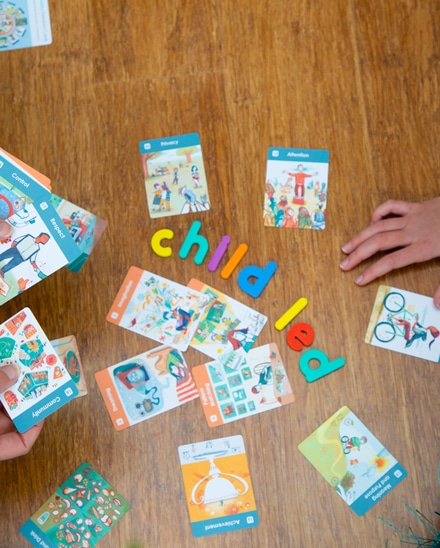
Post-Diagnostic Support
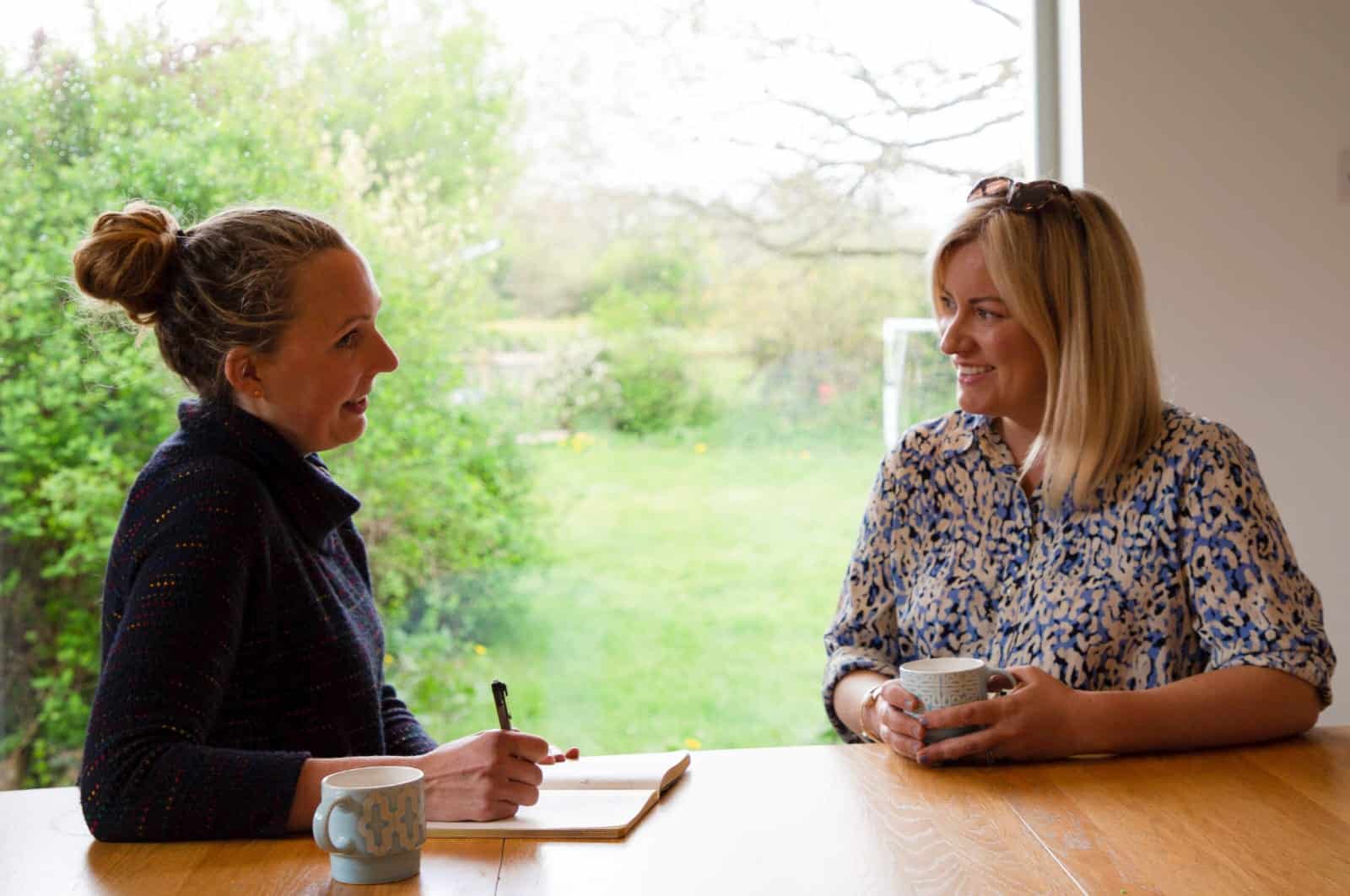
How can we help after an ADHD or autism diagnosis?
A diagnosis can help explain a child’s experiences, but it can also bring new questions. What does it mean for my child? What can we do differently? How can we help them feel confident in who they are?
Our post-diagnostic support helps children and young people understand themselves, recognise their strengths and develop practical strategies for everyday life.
We recognise and celebrate individual strengths, which might include creativity, curiosity, problem-solving, intense interests, empathy or seeing the world differently.
Our focus is on the whole person, not just their diagnosis.
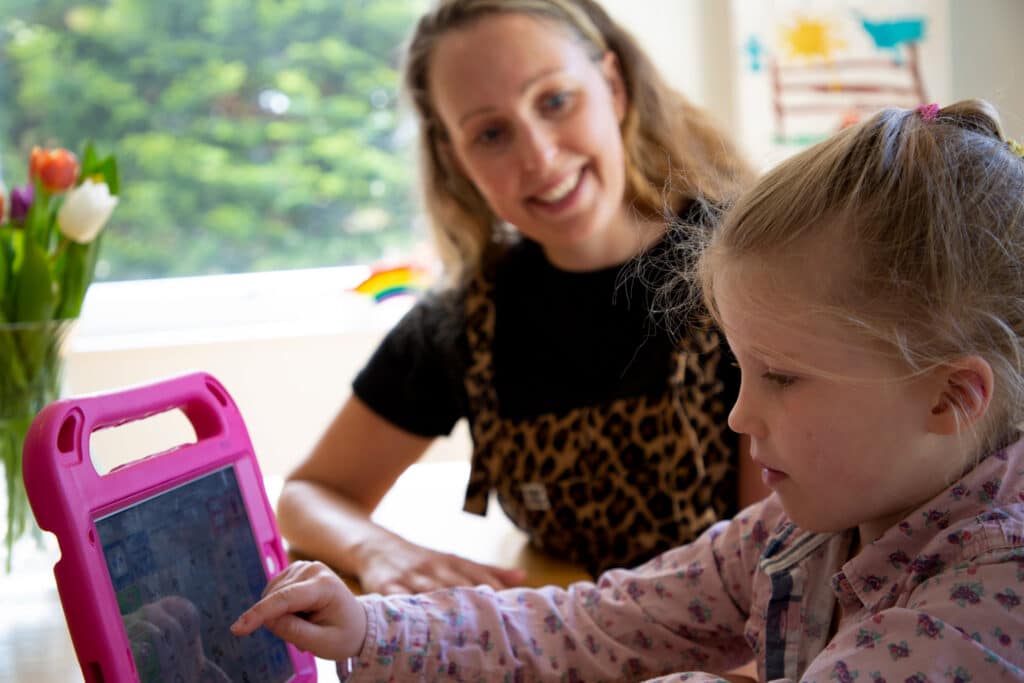
What can post-diagnostic support help with?
Support is tailored to each child or young person’s needs, interests and goals.
Sessions may explore:
- Understanding their ADHD and/or autism diagnosis.
- Recognising strengths, interests and individuality.
- Building confidence, self-esteem and a positive sense of identity.
- Understanding emotions, attention, sensory needs and communication.
- Developing practical strategies for home, school and everyday life.
- Communicating needs and developing self-advocacy skills.
- Understanding masking and finding ways to feel more comfortable being themselves.
Is a diagnosis the whole story?
No. A diagnosis can help explain experiences, but it does not define a person.
We help children and young people explore questions such as:
- What am I good at, and what do I enjoy?
- What helps me feel comfortable, confident and successful?
- What do I find difficult, and why?
- What would I like other people to understand about me?
Our aim is to help young people understand and accept themselves, while identifying what might make life easier.
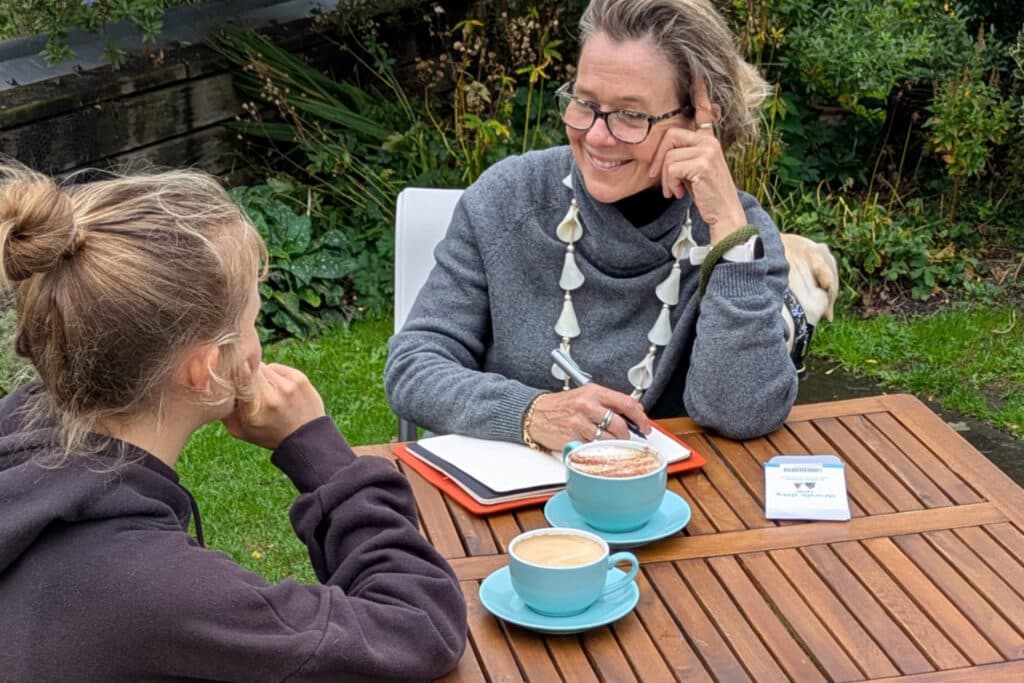
Find Out More ...
Who is this support for?
Post-diagnostic support may be helpful for children and young people who:
- Have recently received an ADHD and/or autism diagnosis.
- Want to understand why they experience things differently.
- Are struggling with confidence, friendships or school.
- Find emotions, attention or sensory experiences overwhelming.
- Feel pressure to mask or fit in.
- Need help explaining their needs to others.
Sessions are adapted to the young person’s age, communication style and preferences, using conversation, games, visual resources and practical activities where appropriate.
How can we support the whole family?
A diagnosis can raise questions for parents and carers, too.
We can help families better understand their child’s individual profile and identify practical strategies and adjustments for home and education.
Where appropriate, we can also work with schools and other professionals.
The aim is not simply to help a child cope with their environment. It is also to consider what needs to change around them.
Where and how does support take place?
We offer flexible support to suit your family:
- At home – in a familiar environment.
- At school – with the setting’s agreement and permission.
- Online – where appropriate.
Some young people may benefit from a single focused session, while others may need a short series or ongoing support. We will work with you to identify what is most useful.
How much does it cost?
Post-diagnostic support costs £85 per hour plus £15 service charge or £5 if online.
Families accessing the service also receive:
- A monthly newsletter with evidence-based tips.
- Free online Q&A sessions.
- Updates, resources and exclusive offers.
What happens next?
You do not need to know exactly what support your child needs before getting in touch.
We can discuss your child’s experiences, answer your questions and explore what might help.
From understanding a diagnosis to building confidence, self-acceptance and practical strategies for everyday life, we are here to help.
Testimonials